Source Ce Certified Blood Bag for Transfusion, Surgery, and Storage
Find 30 ce certified blood bag options from Chinese manufacturers. Compare capacities from 200ml to 500ml, anticoagulant types like CPDA-1, and sterilization methods to select the right supply for clinical use; compare the available evidence and request quotations based on your requirements.
Key considerations
Products List




Comprehensive Sourcing Guide
CE Certified Blood Bag Sourcing Guide
Procuring CE certified blood bags requires a rigorous evaluation of product attributes to ensure they meet international medical standards for blood collection and transfusion. Buyers must verify that the listed products explicitly state their certification status and confirm the specific anticoagulant solutions used, such as CPDA-1, CPD, or SAGM, which are critical for maintaining blood viability during storage. The observed market data indicates a diverse range of capacities, from 200ml to 500ml, necessitating precise selection based on the intended clinical application and patient demographics.
Sourcing decisions should also account for the sterilization method and packaging integrity, as these factors directly impact the shelf life and safety of the medical device. Ethylene oxide sterilization is a common standard observed in the supply chain, ensuring the products are free from pathogens before reaching the end-user. Additionally, the material composition, typically PVC or plastic variants, must be compatible with the specific blood components being stored to prevent adverse chemical reactions or leakage during transport and storage.
Product Scope and Observed Listing Signals
The observed product listings reveal a clear segmentation between vacuum blood tubes and larger blood bags, with capacities ranging from 250ml up to 500ml to accommodate various transfusion needs. Buyers should note that while some listings specify a single package unit, others indicate bulk packaging such as five pieces per box or standard cartons, which influences logistics planning and inventory management strategies. The presence of customization options and logo printing capabilities suggests that many suppliers offer tailored solutions for hospital networks or blood banks requiring specific branding or labeling protocols.
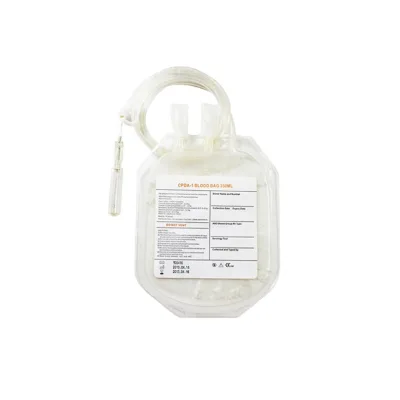
Market signals also highlight the importance of the product's intended group and usage, which are predominantly categorized for adult blood transfusion and general surgical applications. The observed volume ranges, extending from 150ml to 500ml, provide flexibility for different medical procedures, but buyers must cross-reference these specifications with their specific clinical requirements. Furthermore, the appearance of the product is consistently noted as white, a standard visual indicator for medical-grade plastic bags, ensuring that the visual inspection of the packaging remains consistent across different suppliers and batches.
Technical Specifications to Verify
When evaluating technical specifications, the primary focus must be on the anticoagulant formulation and the material composition of the blood bag itself. The supply data confirms the availability of CPDA-1, CPD, and SAGM solutions, which are essential for extending the shelf life of collected blood. Buyers must verify that the specific model number, such as SMDBLB-T or AMC21010, corresponds to the required capacity and anticoagulant type to ensure compatibility with existing blood banking infrastructure and transfusion protocols.
The physical dimensions and packaging standards are equally critical for operational efficiency and storage optimization. Observed standard packaging sizes vary, with carton dimensions ranging from 36x36x20cm to 51x54x62cm, which directly impacts warehouse space allocation and shipping costs. Additionally, the shelf life of five years observed in the market data is a key performance indicator that buyers must validate against the specific batch production dates to ensure the product remains viable throughout the procurement and distribution cycle.
Compliance and Safety Documentation
Compliance with the CE marking is a non-negotiable requirement for sourcing blood bags intended for the European market and other regions recognizing this standard. Buyers must request and verify the specific CE certification documents to confirm that the manufacturer has undergone the necessary conformity assessments for medical devices. The observed data explicitly mentions Medical CE Certification and Type Quality Guarantee Periods of two years, which serves as a baseline for regulatory adherence, though buyers should ensure these certifications are current and applicable to the specific model being purchased.
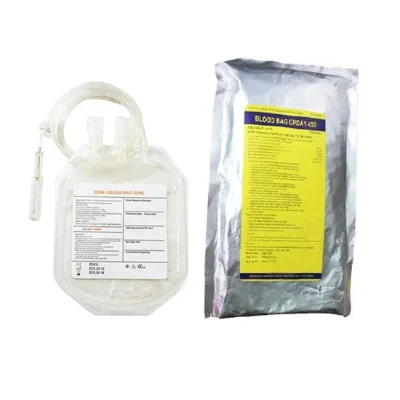
Safety documentation must also include proof of sterilization and the classification of the medical device. Ethylene oxide sterilization is a verified method in the observed listings, and the products are classified as Class III instruments, indicating a high level of risk and the need for stringent quality control measures. Buyers should ensure that the supplier provides comprehensive sterilization validation reports and that the packaging, often described as paper-plastic bags or aluminum bags, maintains the sterile barrier until the point of use.
Cost Drivers and Commercial Terms
The cost of CE certified blood bags is influenced by several factors, including the volume capacity, the type of anticoagulant used, and the complexity of the packaging. The observed price range of 0.4 to 4.8 USD per unit suggests significant variation based on these specifications, with higher capacities and specialized anticoagulant formulations likely commanding a premium. Buyers must analyze the total cost of ownership, considering that lower unit prices may come with higher minimum order quantities or less favorable shipping terms that could offset initial savings.
Commercial terms such as the Minimum Order Quantity (MOQ) and lead times are critical variables that affect procurement planning. The market data shows an MOQ range from 1 to 30,000 units, with some suppliers requiring a minimum of 5,000 pieces, which can be a barrier for smaller medical facilities. Additionally, the customization options and OEM availability may introduce additional costs or longer lead times, requiring buyers to balance the need for tailored products with the urgency of their supply chain requirements.
Supplier Qualification and Quality Control
Supplier qualification involves verifying the origin and manufacturing capabilities of the provider, as the observed data points to specific regions like Zhejiang, Anhui, and Weihai in China. Buyers should prioritize suppliers with established production facilities that can consistently meet the high standards required for Class III medical devices. The presence of a two-year quality guarantee period is a positive indicator, but it must be backed by a robust quality management system that includes regular audits and adherence to international standards like ISO 13485.
Quality control processes must be transparent and verifiable, with a focus on the sterilization and packaging integrity of the final product. Buyers should request detailed quality control reports that cover the entire production cycle, from raw material sourcing to the final sterilization step. The observation of specific model numbers and standard packaging sizes indicates a level of standardization, but buyers must ensure that each batch undergoes rigorous testing to confirm that the product meets the specified volume, material, and safety requirements before shipment.
Long-Term Procurement Checks
Establishing a long-term procurement strategy requires regular monitoring of supplier performance and product consistency over time. Buyers should implement a system for tracking batch numbers, expiration dates, and any deviations from the standard specifications to ensure that the supply chain remains reliable and compliant. The observed shelf life of five years provides a window for long-term planning, but buyers must maintain a rotation system to prevent the use of products nearing their expiration date, thereby minimizing waste and ensuring patient safety.
Continuous engagement with suppliers is essential to adapt to changing regulatory requirements and market conditions. Buyers should maintain open communication channels to discuss potential updates in certification standards, such as the CE marking or ISO 3826, and to address any quality issues that may arise. By fostering a collaborative relationship with suppliers, buyers can ensure a steady supply of high-quality, CE certified blood bags that meet the evolving needs of their medical facilities and patients.
FAQs
What certifications do these blood bags have?
These blood bags hold CE certification to meet European medical device standards. They are classified as Class III instruments, indicating high-risk medical devices requiring strict regulatory oversight. The products also feature Ethylene Oxide Sterilization to ensure safety for blood transfusion applications. This combination of certifications and sterilization methods ensures compliance with international quality requirements for medical supplies.
What anticoagulants are used in these bags?
The bags utilize Cpda-1, Cpd, or Sagm anticoagulants to preserve blood quality. These specific formulations are selected to maintain the viability of red blood cells during storage and transport. The choice of anticoagulant depends on the intended shelf life and clinical application. This flexibility allows healthcare providers to select the optimal preservation method for their specific transfusion needs and inventory requirements.
What capacities are available for these blood bags?
Available capacities include 200ml, 250ml, 350ml, 450ml, and 500ml options. These standard volumes cater to diverse clinical requirements for whole blood or component collection. The product range also covers a broader 100-500ml specification for various medical procedures. Buyers can select the precise volume needed to match patient requirements and minimize waste during blood collection and storage processes.
Can these blood bags be customized with logos?
Yes, customization is available, including logo printing on the packaging or product. OEM services are offered to allow buyers to brand the medical supplies according to their corporate identity. This feature supports hospitals and distributors in maintaining brand visibility while ensuring product safety. Customization options help organizations differentiate their supply chain offerings while adhering to strict medical device packaging and sterilization standards.
What is the shelf life of these products?
The shelf life is five years from the date of manufacture. This extended duration ensures long-term availability for emergency medical supplies and routine hospital inventories. The stable shelf life is supported by Ethylene Oxide Sterilization and high-quality PVC materials. Buyers can plan procurement cycles with confidence, knowing the products remain sterile and functional for transfusion use throughout this five-year period.
How are these blood bags packaged for shipping?
Products are packed in cartons with 5 pieces per box. Individual units may also be sealed in paper-plastic bags for hygiene. Outer carton dimensions vary, such as 51x32x26cm, to optimize logistics. This standardized packaging protects the sterile integrity of the bags during transit. The robust carton design ensures safe handling and storage in medical supply chains while facilitating efficient inventory management for distributors.